Searching for Dish installation near me can help when your property needs a new satellite dish, an existing dish needs relocation, or you want a technician to assess old satellite equipment before installing something new. A proper dish setup involves more than mounting equipment on a wall or roof. Position, mounting stability, alignment, LNB requirements and cable routing all contribute to the finished installation. Whether you are preparing a new home, moving into an existing property or upgrading an older satellite system, an assessment can establish what equipment you actually need.
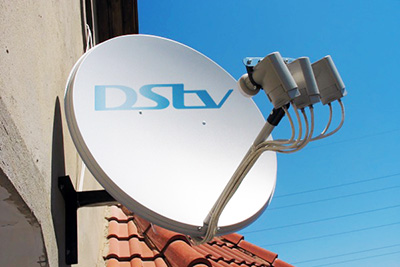
When Do You Need a New Satellite Dish?
A new dish may be appropriate when:
The property has no existing satellite equipment
The existing dish is physically damaged
Existing equipment is unsuitable for the required setup
A previous dish has been removed
Renovations changed the installation area
You are preparing satellite infrastructure at a new property
Existing mounting cannot be reused
The current installation requires substantial changes
However, an old dish should not automatically be replaced simply because it has been installed for several years.
Start With an Existing Equipment Check
Before arranging Dish installation near me, check whether the property already has satellite equipment.
Look for an existing dish, mounting bracket, coaxial cable and wall connections.
A technician can assess these components and determine whether any of them can remain in use.
Choosing a Dish Position
Dish positioning requires careful consideration.
The technician needs to identify a suitable installation location while considering the physical satellite requirements and property layout.
Cable routing and safe access can also influence the final position.
Secure Dish Mounting
A satellite dish needs a stable mounting point.
If the bracket or mounting surface allows excessive movement, the dish may lose its position.
Therefore, the installer should consider mounting stability before completing alignment.
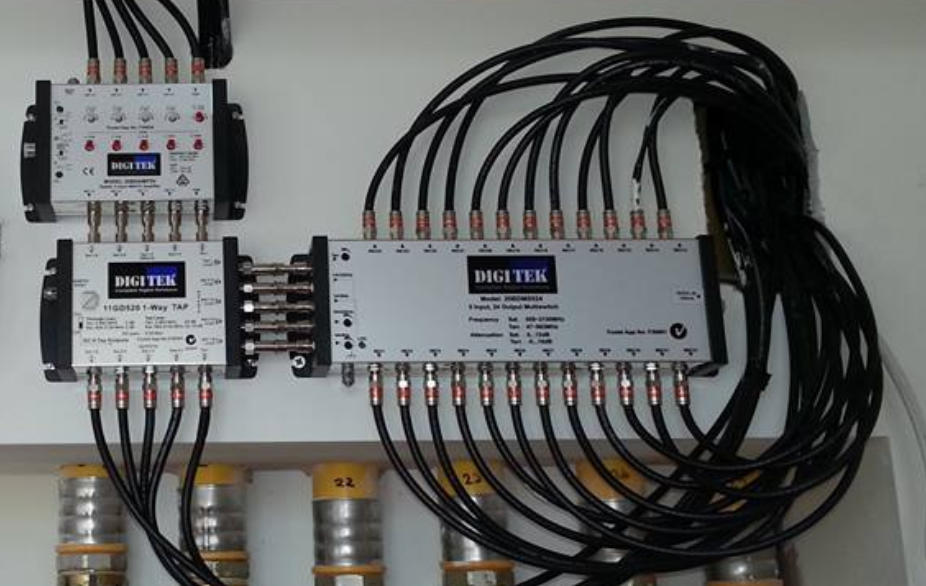
Wall-Mounted Satellite Dishes
A suitable exterior wall can sometimes provide a practical mounting position.
The technician should assess the surface and installation requirements before drilling.
Cable routing should also form part of the planning.