Professional Dstv installation sandton services can help when you need a new satellite system, want to upgrade existing equipment or have moved into a property with an incomplete setup. Sandton includes apartments, estates, townhouses, freestanding homes and commercial buildings, so installation requirements can differ considerably from one property to another. Careful planning can help determine the appropriate dish position, cable route, decoder location and viewing areas before permanent work begins.

Start With the Property
Before installing equipment, consider the type of property and what satellite infrastructure already exists.
A useful assessment can cover:
Existing satellite dish
Existing coaxial cables
Number of televisions
Decoder model
Preferred viewing areas
Dish location
Cable routes
Explora requirements
Extra View requirements
Additional television points
Building restrictions
Estate or complex access
This information helps establish the actual scope of work.
New Satellite Installations
Customers booking Dstv installation sandton for a new property should first check for existing satellite infrastructure.
Some homes and apartments already have dishes, cable routes or communal systems.
Where suitable equipment exists, the technician can assess whether it can form part of the new setup.
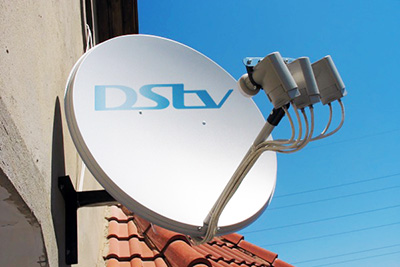
Satellite Dish Installation
A property without suitable infrastructure may require a new satellite dish.
The mounting position should consider the physical building, cable route and installation requirements.
Secure mounting also helps the dish remain in position after alignment.
Dish Alignment
Dish positioning forms an important part of satellite reception.
A newly installed dish requires appropriate alignment, while an existing dish may need assessment if it has shifted.
However, technicians should also consider other parts of the signal path when troubleshooting reception.

LNB Installation
The LNB forms part of the satellite reception system.
Its requirements can depend on the compatible equipment and intended configuration.
Therefore, technicians should consider the complete setup rather than select individual components without assessing the installation.